How Often Should You Get IV Therapy?
How Often Should You Get IV Therapy?
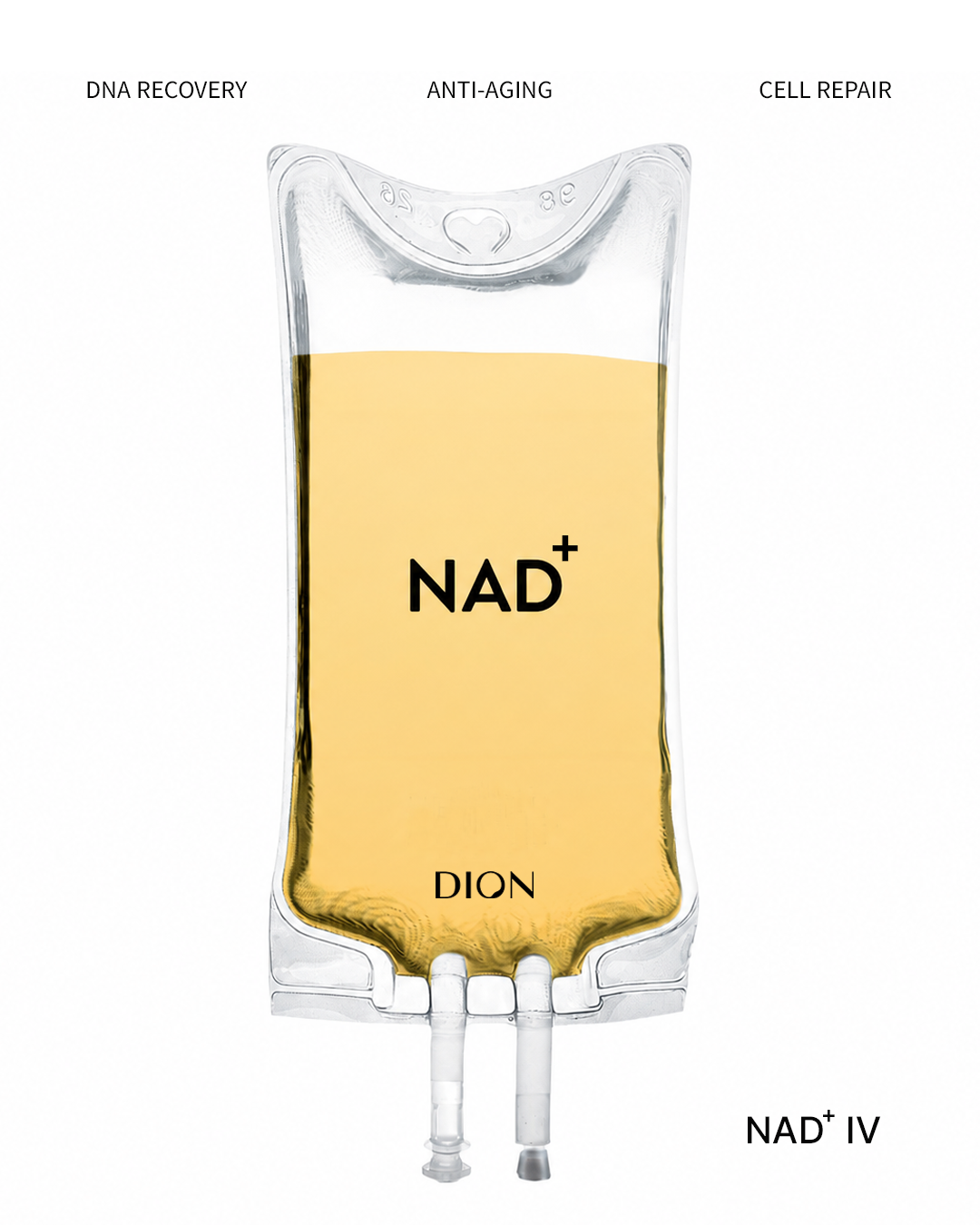
IV therapy has become increasingly popular for wellness, hydration, recovery, beauty, and immune support. In Korea, many wellness clinics now offer customized IV drip programs designed for concerns such as fatigue, skin glow, stress recovery, travel exhaustion, and overall health maintenance. However, one of the most common questions patients ask is how often IV therapy should actually be done. The answer depends on individual goals, health condition, lifestyle, and the type of nutrients being used in the treatment.
General IV Therapy Frequency Guidelines
The ideal frequency often depends on treatment goals and nutrient intensity.
Typical schedules include:
- Once for occasional hydration or recovery
- Weekly for intensive wellness programs
- Every 2–4 weeks for maintenance
- Monthly for general wellness support
- Seasonal immune support sessions
- Short-term packages for travel recovery
Many clinics recommend starting with more frequent sessions before transitioning to maintenance treatments.
IV Therapy for Hydration and Fatigue
People experiencing dehydration, exhaustion, overwork, or jet lag often use IV therapy occasionally rather than regularly.
Typical frequency may include:
- 1 session after long flights
- 1–2 sessions during periods of heavy fatigue
- Occasional treatments during stressful schedules
- Short-term recovery support after illness
Hydration-focused drips are usually among the gentlest IV therapy options.
IV Therapy for Skin and Beauty
Beauty-focused IV therapy has become especially popular in Korea. These drips often include ingredients such as glutathione, vitamin C, and antioxidant blends designed to support brighter and healthier-looking skin.
Common beauty IV schedules include:
- Weekly sessions during intensive skin programs
- Every 2–3 weeks for glow maintenance
- Monthly sessions for long-term upkeep
Patients often combine IV therapy with facials, lasers, or skin booster treatments.
Immune Support IV Programs
Immune-focused drips are frequently used during stressful seasons, travel periods, or times of increased fatigue.
Common ingredients may include:
- Vitamin C
- Zinc
- B vitamins
- Amino acids
- Antioxidants
Many patients choose:
- Weekly sessions during recovery periods
- Monthly immune maintenance treatments
- Seasonal wellness programs during winter
Frequency should always be adjusted based on overall health and medical guidance.
Can You Get IV Therapy Too Often?
Although IV therapy is generally considered safe when administered properly, excessive treatment may not always be beneficial.
Potential concerns with overly frequent IV therapy include:
- Unnecessary vitamin overload
- Electrolyte imbalance
- Increased treatment costs
- Dependency on frequent energy boosts
- Irritation at injection sites
More treatment does not always mean better results. Proper consultation and individualized planning are important.
Why Personalized IV Programs Matter
The best clinics usually customize IV therapy based on individual lifestyle, goals, and health condition rather than using identical drip formulas for everyone.
Factors that may influence frequency include:
- Sleep quality
- Stress levels
- Diet
- Travel schedule
- Exercise intensity
- Existing medical conditions
- Skin concerns
- Hydration levels
Personalized programs help reduce unnecessary treatments while improving long-term results.
Signs You May Need a Break Between Sessions
It may be helpful to reduce frequency if you notice:
- No noticeable benefit after treatments
- Frequent bruising or vein irritation
- Overreliance on IV therapy for energy
- Better results from improving sleep and nutrition
- Increased sensitivity during treatments
Long-term wellness still depends heavily on lifestyle habits, nutrition, hydration, and rest.
Final Thoughts
The ideal IV therapy schedule depends entirely on personal goals, health condition, and lifestyle. Some people benefit from occasional hydration or recovery drips, while others prefer regular maintenance programs for beauty, wellness, or immune support. In most cases, moderate and personalized treatment plans are more effective than overly frequent sessions. A proper consultation with a qualified wellness professional can help determine the safest and most appropriate IV therapy routine for long-term health and wellness support.