IV Therapy vs Oral Vitamins: Which Works Better?
IV Therapy vs Oral Vitamins: Which Works Better?
IV therapy and oral vitamins are both used to support energy, hydration, immune function, skin health, and overall wellness, but they work very differently. In Korean wellness and anti-aging clinics, IV therapy is often promoted as a faster and more intensive option because nutrients are delivered directly into the bloodstream rather than absorbed through the digestive system.
However, “better” depends on the goal, health condition, and whether someone needs short-term recovery or long-term maintenance.
How Oral Vitamins Work
Oral supplements are absorbed through the digestive system before entering circulation.
Common forms:
- Multivitamins
- Vitamin C tablets
- Collagen supplements
- Biotin and beauty supplements
- Magnesium or B-complex capsules
Advantages:
- Convenient and inexpensive
- Easy for long-term daily maintenance
- Widely available without clinic visits
Limitations:
- Absorption varies by digestion and metabolism
- Some nutrients are lost during digestion
- Results may take longer to notice
How IV Therapy Works
IV therapy delivers nutrients directly into the bloodstream through intravenous infusion.
Common IV ingredients:
- Vitamin C
- Glutathione
- B vitamins
- Amino acids
- Electrolytes
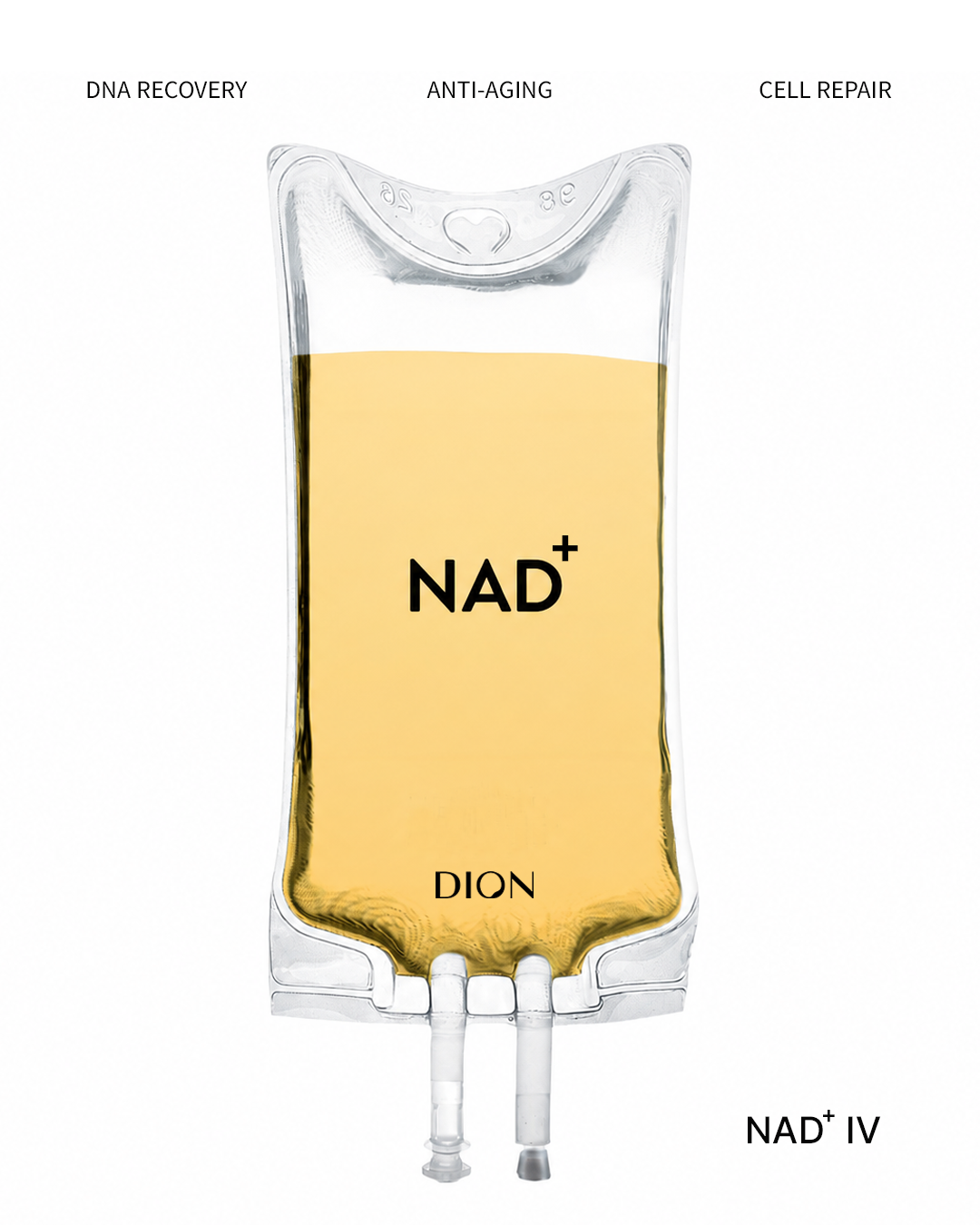
- NAD+ (in advanced anti-aging programs)
Advantages:
- Immediate absorption
- Rapid hydration support
- Faster recovery effects
- Higher-dose nutrient delivery possible
Limitations:
- More expensive
- Requires clinic visits
- Effects may still be temporary without lifestyle changes
Which Works Better for Energy & Fatigue?
IV Therapy
Usually stronger for:
- Jet lag recovery
- Acute fatigue
- Dehydration
- Burnout recovery
- Post-travel exhaustion
Effects are often noticeable within hours or days.
Oral Vitamins
Better for:
- Long-term daily nutritional support
- Mild deficiencies
- Consistent maintenance routines
Results are slower but more sustainable for routine care.
Which Works Better for Skin & Anti-Aging?
IV Therapy
Commonly used in Korean anti-aging clinics for:
- Hydration support
- Brightness and glow enhancement
- Antioxidant support
- Recovery after lasers or treatments
Glutathione and vitamin C IV drips are especially popular.
Oral Supplements
Helpful for:
- Daily collagen support
- Long-term antioxidant intake
- General skin maintenance
However, visible skin changes usually develop gradually.
Absorption Differences
One major reason IV therapy is considered stronger is bioavailability.
- Oral vitamins → partially absorbed after digestion
- IV therapy → near-immediate bloodstream delivery
This makes IV therapy more appealing for:
- Immediate recovery goals
- Short-term performance support
- Intensive wellness programs
But higher absorption does not always mean dramatically better long-term outcomes.
Cost Comparison
Oral Vitamins
- Usually inexpensive
- ₩10,000 – ₩100,000/month depending on supplements
IV Therapy
- Basic IV drips: ₩50,000 – ₩150,000
- Anti-aging IV cocktails: ₩100,000 – ₩300,000
- NAD+ IV programs: ₩200,000 – ₩600,000+
IV therapy is significantly more costly over time.
What Korean Clinics Usually Recommend
In Seoul, many clinics combine both approaches:
- IV therapy for intensive short-term recovery or glow enhancement
- Oral vitamins for ongoing maintenance between treatments
This layered strategy is common in Korean wellness medicine.
Who Benefits Most from IV Therapy
IV therapy may be more useful for:
- Frequent travelers
- Patients recovering from fatigue or stress
- People receiving aesthetic treatments
- Individuals needing fast hydration recovery
- High-performance or high-stress lifestyles
Who May Prefer Oral Vitamins
Oral vitamins are often better for:
- Budget-conscious wellness routines
- Long-term consistency
- Daily preventive health maintenance
- Mild nutritional support needs
- People who dislike clinic procedures
Final thoughts
IV therapy and oral vitamins each serve different purposes rather than directly replacing one another. IV therapy works faster and delivers nutrients more efficiently, making it popular in Korean anti-aging and wellness clinics for hydration, fatigue recovery, and short-term glow enhancement. Oral vitamins, meanwhile, remain more practical for long-term daily maintenance and gradual nutritional support, especially when combined with healthy lifestyle habits.